Crawl Space Mold Removal in Dunlap, OH
Mold removed from framing and damaged insulation beneath your Dunlap home. Call 24/7 to start your crawl space assessment and cleanup.
- Joists and subfloor checked
- Containment and HEPA filtration
- Moisture correction planned
Crawl Space Mold Removal Services for Your Dunlap Home
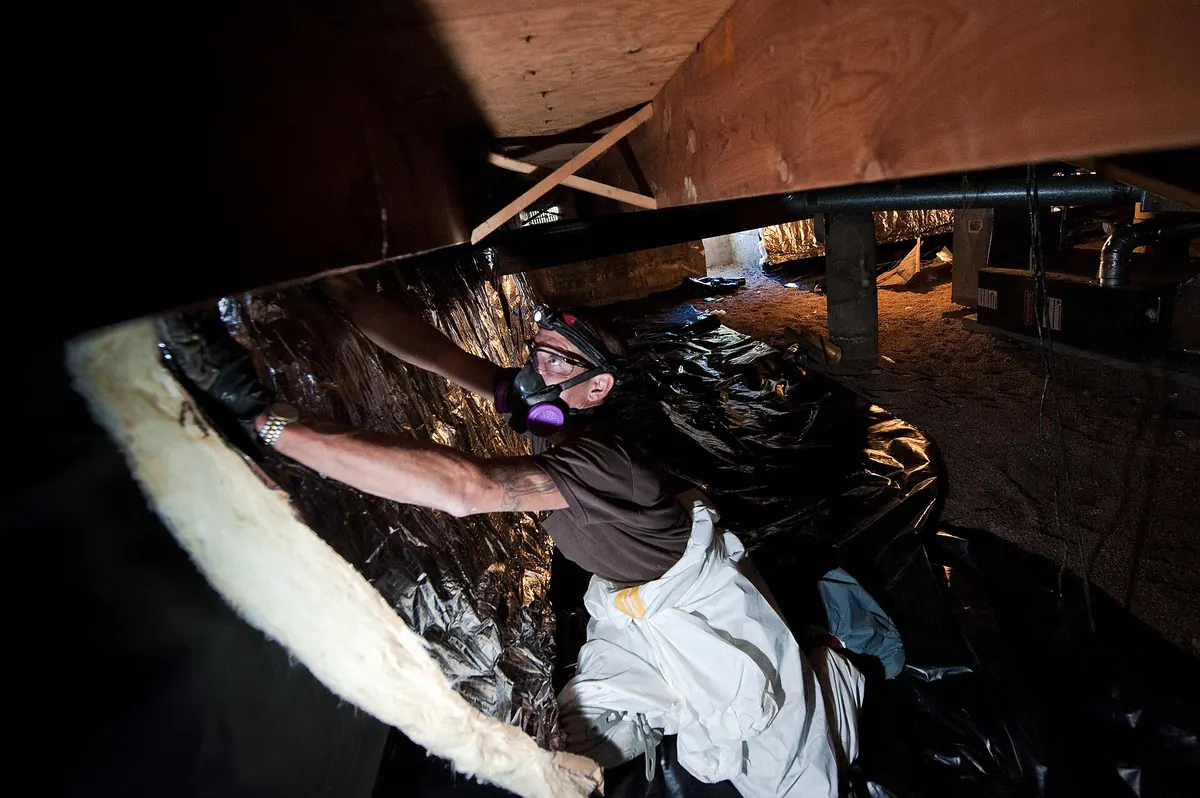
Growth is removed from your floor joists, reachable subfloor and other affected materials under the house. Before that cleaning begins, insulation and concealed moisture are checked.
Where possible, you keep sound wood during crawl space remediation. Unsalvageable insulation is bagged for removal by a protected path. The work includes contained removal as well as cleaning and drying.
Plumbing leaks and foundation vents are checked before cleaning, as are your crawl space's drainage and vapor barrier. The scope of work records cleanup and distinct moisture repairs in writing.
- Floor joist and subfloor cleaning
- Affected crawl space insulation removal
- Leak and ground moisture assessment
- Contained crawl space access
- Wood drying and final checks
Recognizing the Need for Crawl Space Mold Removal
Growth, damp insulation or a musty smell beneath your floors call for assessment.
Musty Crawl Space Odor
A smell recurring by the hatch may occur alongside wet materials or concealed growth.
Mold on Floor Joists
Your joists or subfloor may have visible mold growth extending past the hatch.
Dampness Around the Moisture Barrier
Moisture correction is needed for water atop a damaged barrier or uncovered damp soil.
Dirt Floor With Standing Water
Pooled water after rain or near plumbing can keep materials damp.
Hanging Crawl Space Insulation
Beneath your floors, moisture can be indicated by water stains near fallen insulation.
What Happens During Crawl Space Mold Treatment
Your cleanup includes assessment, contained removal, cleaning, drying and verification.
Call and Crawl Space Assessment
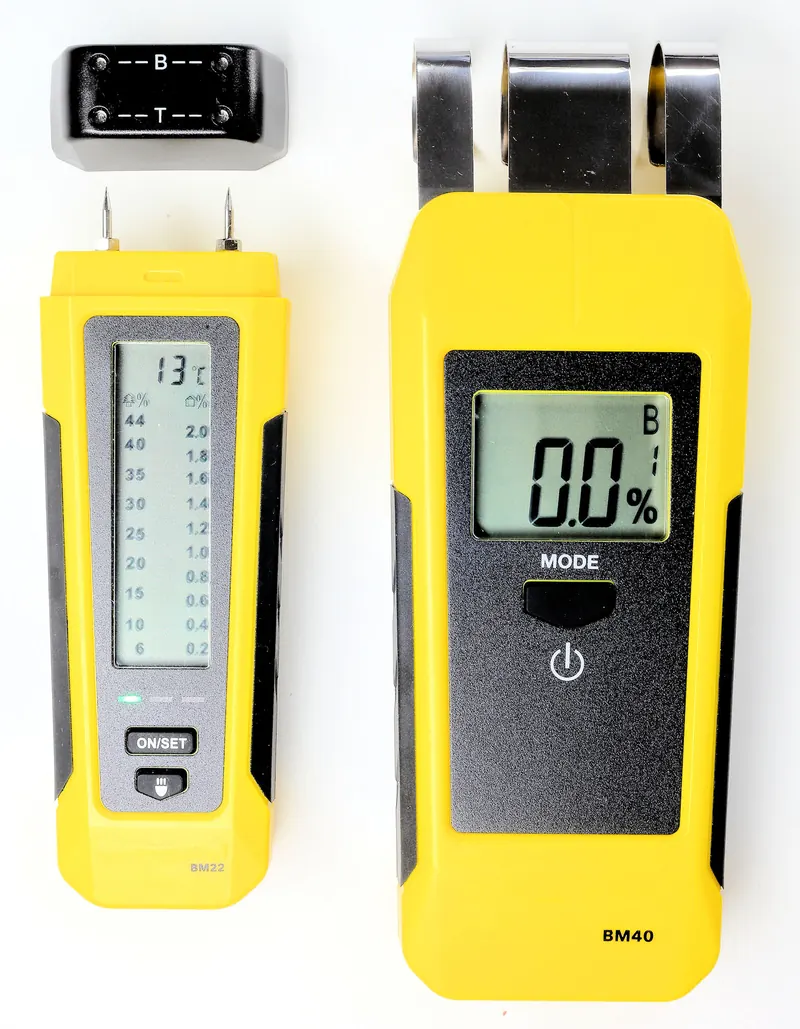
Damage and access are your initial call topics. Dampness is mapped with a moisture meter, while temperature differences appear on a thermal imaging camera that cannot identify mold.
Moisture Source and Scope
Crawl space vents are evaluated along with plumbing and moisture in the ground. Plans for crawl space ventilation changes, leak repair and any work on drainage or a sump pump precede removal.
Crawl Space Containment
At entrances to occupied rooms, a containment barrier is made from poly sheeting. Protective equipment, negative air pressure and a HEPA air scrubber limit particle spread during the work.
Damaged Insulation Removal
Other damaged porous materials and insulation beyond recovery are placed in bags inside containment. Controlled tear out exposes affected subfloor without dragging loose debris through your home.
Joist and Subfloor Cleaning
Suitable surface cleaning works with a HEPA vacuum to clear growth and residue off sound wood. When suitable, antimicrobial treatment adds to physical cleaning without taking its place.
Controlled Crawl Space Drying
Drying after cleanup is supported by air movers and a crawl space dehumidifier. Before replacement of materials, moisture readings monitor wood while the water source is corrected.
Post-Remediation Check
Containment stays up until cleaning, drying and the agreed post-remediation verification are complete. Before access to the work area resumes, an independent assessor conducts clearance testing when included.
Why Choose Cincinnati Mold Removal Services for Crawl Space Mold Removal
Crawl Space Moisture First
Before cleaning, your assessment tracks ground moisture, condensation and leaks in plumbing.
Clear Scope and Contained Access
Your scope is explained first, with containment and HEPA filtration matched to the affected space.
Removal Through Final Checks
Verification comes before containment removal, following damaged insulation removal and wood cleaning and drying.
Calls Answered 24/7
One number starts your cleanup across the metro, including nights and weekends.
Before Crawl Space Cleanup in Hamilton County
Keep damaged materials untouched. Arrange your assessment by phone.
- Stay outside unsafe areas. Do not enter standing water, exposed wiring or unstable framing.
- Leave growth undisturbed. You can release mold spores and dust by sanding, scraping or brushing.
- Keep affected HVAC equipment off. EPA cautions that mold may spread when you run contaminated HVAC equipment.
- Restrict crawl space access. Keep the hatch and work area off limits to your children and pets.
- Act on recent water damage. To prevent mold growth, EPA recommends drying areas and items damaged by water within 24 to 48 hours.
Your Dunlap, OH Crawl Space Mold Removal Cost
Published national price ranges show removal alone separately from removal with encapsulation. Dehumidifier installation is priced as another item. Your cost varies with material condition, access and the square footage affected.
Crawl space mold removal
$500 to $2,000 per jobSource: Fixr, Mold Remediation Cost (checked 2026-10-23)Mold Removal as an Addition to Crawl Space Encapsulation
$500 to $4,000 per jobSource: This Old House, Crawl Space Encapsulation Cost (checked 2026-10-23)Dehumidifier, installed
$800 to $2,000 per installSource: This Old House, Crawl Space Encapsulation Cost (checked 2026-10-23)Factors Affecting Your Crawl Space Cleanup Cost
- Wet soil or standing water
- Affected square footage and access
- Mold on joists and subfloor
- Barrier and insulation condition
- Separate repairs or encapsulation
Your Crawl Space Cleanup Price
These published national ranges are planning figures. Your on-site assessment defines the work and price before cleanup starts, including any separate source repairs or rebuilding.
Call (844) 352-3560 about costCrawl Space Mold Removal Service Area Across Greater Cincinnati
Call (844) 352-3560 to arrange cleanup in Dunlap or nearby communities. One number covers the metro.
Crawl Space Mold Removal in Locations Near Dunlap
Frequently Asked Questions About Crawl Space Mold Removal in Dunlap
How much does crawl space cleanup cost in Hamilton County?
Pricing for your job follows evaluation of the affected area, condition of materials and access. The cards above list nationally published cost ranges and identify units and sources. Different work is described by removal on its own, encapsulation with removal added, and installing a dehumidifier. Your scope and price are explained before cleanup starts.
During work under your house, can you remain at home?
You may be able to stay when occupied rooms remain separate from the work area and debris route. Hatch location and household needs shape restrictions together with shared ventilation. Some jobs require temporary relocation. Your assessment establishes access arrangements before containment goes up, including any interruption to affected heating or cooling equipment.
Will the scope also cover drainage repairs or encapsulation?
Moisture corrections are planned with cleaning, but only drainage repairs and encapsulation specified in your scope are included. A ground moisture barrier can form part of that plan. Cleanup addresses wet materials and existing growth ahead of covering surfaces, with separate structural repairs or plumbing repairs treated as distinct work.
Is removal necessary for insulation and floor joists?
Sound joists and subfloor can often be cleaned and dried in place. Moldy insulation that cannot be saved leaves in bags. Assess soft or deteriorating framing for repairs because cleaning will not recover lost structural strength. Before work, your scope identifies what stays, where removal occurs and any rebuilding to be done separately.
In Dunlap, how much time does crawl space cleaning need?
Your timetable follows evaluation of access, along with affected wood and insulation. Low clearance and growth across several floor bays add work. Drying follows moisture readings rather than surface appearance. The timing of new insulation also reflects plumbing repair, drainage correction and final verification.
Do you need testing before or after cleaning your crawl space?
EPA guidance says air sampling is often unnecessary when you have visible mold. Inspection establishes damage in accessible areas and the cleanup scope, together with moisture checks. Check that cleaning and drying are complete before dismantling containment. Specified clearance testing requires an independent assessor to perform testing. Federal rules set no limit on indoor mold levels.
After cleaning the space, could mold grow again?
Your crawl space may develop mold again if damp conditions continue. Cleanup follows an assessment that traces condensation, leaks and moisture in the ground. Wood undergoes drying and cleaning, while source corrections are included or marked as separate work. Repairing an active water leak remains necessary even with a dehumidifier or moisture barrier.
Crawl Space Cleanup and Insurance in Ohio
The moisture source and your homeowners policy determine coverage through exclusions, the deductible and mold limits. A coverage decision for cleanup may differ from decisions for rebuilding and drainage repairs.
Crawl Space Mold Safety for Your Greater Cincinnati Cleanup
Your framing assessment uses containment to reduce particle spread.
Mold Color
Color alone tells you nothing about how risky a mold is, CDC says.
Crawl Space Wood Rot
Suspected structural damage calls for a building assessment because cleaning cannot repair decayed framing.
Sensitive Occupants
CDC notes that, in some people, mold may trigger symptoms of allergies and asthma.
Crawl Space Access Hazards
Consider standing water, limited headroom and wiring when assessing entry safety and equipment placement.
Cleanup scope: Homeowners can often clean areas under about 10 square feet, EPA says, though small size does not eliminate entry hazards. Professional help is needed for larger areas and HVAC systems, plus mold from sewage or from contaminated water.
Crawl Space Materials Cleaned or Removed in Hamilton County
Cleaning keeps sound framing where possible, while your damaged porous materials may need to come out.
Wood framing and subfloor
- Clean and dry sound wood; assess deteriorated framing to determine repairs.
Insulation and debris
- Unsalvageable insulation and affected stored materials are bagged and removed.
Non-porous surfaces
- Metal within reach is cleaned, with damaged barrier portions removed only as included in the scope.
Crawl Space Cleanup Timing in Hamilton County
Your timing depends on removal volume and access, plus drying and repairs after cleanup.
- Access: Low clearance and distant bays add removal work.
- Wood moisture: Readiness to replace insulation depends on moisture readings.
- Completion: Job completion depends on water-source repairs and the final verification.
Odor and Crawl Space Humidity in Dunlap
To investigate your odor, materials and dampness are assessed. Its source remains despite fragrance.
EPA recommends indoor relative humidity below 60 percent, ideally 30 to 50 percent. Crawl space humidity control is matched to the moisture assessment.
Requirements for Your Crawl Space Work in Ohio
Crawl Space Work Requirements
Ohio does not appear to have a statewide license for mold inspectors or remediators, and the Ohio Construction Industry Licensing Board covers only electrical, HVAC, plumbing, hydronics and refrigeration contractors. Homeowners can ask any contractor about their training and experience and check local contractor rules.
Repair Permits
Included plumbing, electrical or structural work determines which permits are required.
Rental Crawl Spaces
Ohio's landlord-tenant law (Revised Code 5321.04) says landlords must follow health and safety codes and keep rental premises fit and habitable.
State Mold Information
The Ohio Department of Health has an Emergency Flood Cleanup and Mold page that lists signs of mold and advises fixing the water source. Its Health Assessment Section says it does not offer resources specific to mold cleanup.
State guidance: Ohio Department of Health, Emergency Flood Cleanup and Mold; Ohio Department of Health, Health Assessment Section questions; Ohio Department of Commerce, Residential Property Disclosure Form (eff. 6/2022); Ohio Revised Code 5302.30 (Internet Archive copy of codes.ohio.gov); Ohio Revised Code 5321.04 (Internet Archive copy of codes.ohio.gov); Ohio Department of Commerce, Ohio Construction Industry Licensing Board
Related Services and Next Steps
Start Your Crawl Space Mold Removal in Dunlap
Call 24/7 to arrange your assessment. Your cleanup starts with the affected surfaces, moisture source and access to your home.